


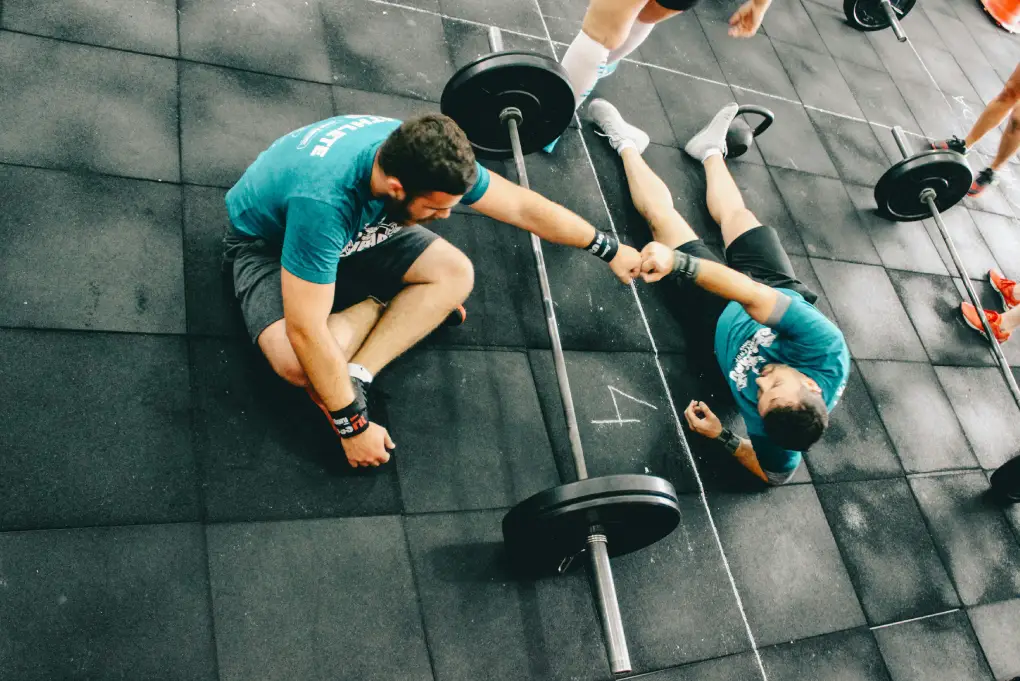
Turning 40 marks a pivotal moment for health and fitness. Your body’s needs, recovery capacity, and hormonal profile differ significantly from your twenties and thirties, requiring adapted training approaches. Personal trainers specialising in over-40s fitness understand these unique considerations, designing programmes that build strength, maintain mobility, support healthy ageing, and prevent age-related decline whilst respecting your body’s changing requirements.
Why Training Changes After 40
Physiological changes accelerating after 40 necessitate modified training approaches. Muscle mass naturally declines approximately one percent annually without resistance training, a process called sarcopenia. This muscle loss reduces metabolic rate, physical capability, and independence if unaddressed. Strategic strength training reverses this decline, building muscle and strength regardless of age.
Hormonal shifts affect both men and women, influencing body composition, energy levels, and recovery. Testosterone gradually declines in men whilst women approach or enter perimenopause and menopause. These hormonal changes require adjusted training volumes, recovery periods, and nutritional strategies. Experienced trainers understand these nuances, optimising programmes for hormonal profiles rather than applying generic approaches.
Joint health and mobility become increasingly important. Decades of accumulated wear, sedentary work, and previous injuries often manifest as stiffness and discomfort. Quality training programmes for over-40s emphasise movement quality, joint-friendly exercise variations, and mobility work preventing injury whilst building strength. This preventative approach enables sustainable long-term training avoiding setbacks derailing progress.
Benefits of Strength Training After 40
Resistance training delivers profound benefits for over-40s extending far beyond aesthetics. Building and maintaining muscle mass preserves metabolic rate, making weight management easier as you age. Stronger muscles support joints, reducing arthritis pain and injury risk during daily activities. This functional strength translates to easier grocery carrying, gardening, playing with grandchildren, and maintaining independence.
Bone density improvement through resistance training becomes crucial for preventing osteoporosis, particularly for women post-menopause. Weight-bearing exercises stimulate bone formation, increasing density and reducing fracture risk. This benefit alone justifies strength training as essential healthcare rather than optional recreation for over-40s.
Mental health and cognitive function improve significantly through regular exercise. Training reduces anxiety and depression, improves sleep quality, and enhances mood through endorphin release. Research increasingly demonstrates exercise’s role in maintaining cognitive function and reducing dementia risk. Your personal trainer becomes not just a fitness coach but a healthcare partner supporting comprehensive wellbeing.
Cardiovascular Health Considerations
Cardiovascular disease risk increases with age, making heart health paramount. Personal trainers design programmes balancing cardiovascular conditioning with strength work. This might include interval training proven effective for improving heart health, or steady-state cardio for building aerobic base without excessive stress. Your trainer monitors intensity ensuring you work effectively whilst respecting cardiovascular safety.
Blood pressure, cholesterol, and blood sugar control improve through consistent exercise. Your trainer helps establish routines supporting these health markers alongside fitness goals. They work with you and your healthcare providers ensuring training complements any medical management of chronic conditions. This collaborative approach optimises health outcomes whilst safely pursuing fitness improvements.
Programme Design for Over 40s
Effective programmes for over-40s prioritise movement quality over intensity. Your trainer assesses and addresses movement limitations before adding significant loads. This foundation prevents injuries whilst improving exercise effectiveness. They teach proper lifting mechanics, breathing patterns, and body awareness creating safe, sustainable training practices.
Recovery becomes increasingly important with age. Trainers experienced with over-40s clients programme adequate rest between sessions, incorporate deload weeks preventing overtraining, and adjust volume based on your recovery capacity. They understand two-three training sessions weekly often produces superior results to more frequent training that compromises recovery.
Exercise variety prevents overuse injuries whilst maintaining engagement. Your trainer rotates movements, adjusts loading patterns, and includes different training modalities preventing repetitive stress. They might incorporate bodyweight training, resistance bands, kettlebells, barbells, and machines creating balanced programmes addressing all physical qualities whilst respecting joint health.
Addressing Common Over-40s Concerns
Many over-40s worry about injury risk or whether they’re too old to start training. Quality trainers address these concerns through conservative initial programming, thorough movement assessment, and progression at appropriate paces. They possess experience safely training clients with various pre-existing conditions, previous injuries, and movement limitations. Your current fitness level matters less than your willingness to start and commit to the process.
Time constraints often challenge over-40s balancing careers, family obligations, and personal health. Trainers design efficient programmes maximising results from available time. They help you establish realistic schedules fitting training around other commitments. Many offer flexible timing, early morning or evening sessions accommodating work schedules, and programme designs requiring just two-three weekly sessions.
Weight management becomes more challenging with age due to metabolic slowdown and hormonal changes. Your trainer addresses this through combined resistance and cardiovascular training maintaining muscle mass whilst creating calorie deficits. Nutritional guidance helps establish eating patterns supporting healthy weight whilst providing energy for training and daily life. This comprehensive approach produces sustainable results rather than temporary fixes.
Nutrition for Over 40s Athletes
Nutritional requirements shift with age, particularly protein needs increasing to support muscle maintenance and growth. Personal trainers help establish appropriate intake targets, typically higher than standard recommendations for sedentary adults. They provide practical strategies meeting these requirements through whole foods and supplementation when beneficial.
Hydration becomes increasingly crucial as thirst signals diminish with age. Your trainer emphasises consistent fluid intake supporting performance, recovery, and overall health. They help you establish hydration routines ensuring adequate intake throughout the day, not just during training.
Micronutrient considerations include ensuring adequate vitamin D, calcium, omega-3 fatty acids, and other nutrients supporting bone health, inflammation management, and recovery. Trainers provide general guidance whilst recommending consultation with nutrition professionals for detailed dietary planning when needed.
Finding the Right Trainer in Cardiff
Cardiff offers numerous personal trainers with extensive experience working with over-40s clients. When selecting a trainer, prioritise those specifically mentioning experience with your age group. They understand unique considerations, possess appropriate exercise modifications, and create age-appropriate expectations rather than applying approaches designed for younger populations.
Look for trainers emphasising functional fitness, mobility, and long-term health rather than purely aesthetic goals. Whilst improving appearance remains a valid goal, trainers focused on comprehensive wellbeing create more appropriate programmes for over-40s. They balance various training elements ensuring you build strength whilst maintaining mobility, cardiovascular health, and injury prevention.
Consider trainers offering initial consultations where you can discuss health history, concerns, and goals. Quality trainers ask detailed questions about previous injuries, current medications, and lifestyle factors affecting training. This thorough assessment demonstrates their commitment to your safety and success rather than simply signing new clients.
Getting Started
Beginning personal training after 40 represents one of the most impactful health decisions you can make. The benefits extend far beyond gym performance, influencing every aspect of daily life from energy levels to disease prevention to independent living in later years. Cardiff’s experienced trainers specialising in over-40s fitness provide the expertise, support, and accountability needed for successful, sustainable transformations.
Start by scheduling consultations with trainers experienced in your demographic. Come prepared with questions about their approach, experience, and how they’d address your specific situation. Be honest about health concerns, previous injuries, and fitness history. This transparency enables your trainer to design optimal programmes from the outset.
Your age represents wisdom and experience, not limitation. With appropriate training, proper recovery, and expert guidance, you can achieve strength, fitness, and health levels exceeding what you possessed in your younger years. The best time to start was twenty years ago; the second-best time is today. Your stronger, healthier future awaits with the right Cardiff personal trainer guiding your journey.
Find Your Perfect Personal Trainer
Tell us about your fitness goals and we'll match you with the best trainers in Cardiff.
Related: Personal Training for Beginners: Your Complete Getting Started Guide


